Ingredients
Treatment
FIBRAN is the end result of a hydrothermal process, at temperatures of 85-90º C, This leads to a fractionation of the lignin walls, thus increasing the fibre's digestive utilisation coefficient and its energy value.
At the same time, the high temperatures involved in this process prevent the growth and development of fungi and the risk of digestive processes caused by toxins and pathogenic germs.
Technology and Production
The technology used allows us to increase the digestibility of the product, obtaining a final product with special and highly prized characteristics.
Automatically controlled manufacturing processes make the product reliable in terms of composition and external characteristics.
Our technology and production allows us to add sodium hydroxide, which, together with the pressure and temperature processes, ensures a final product with a natural texture and aroma.
Advantages of FIBRAN
Improving the nutritional value of fibre by chemical treatment to increase its digestibility has long been considered by animal nutritionists, who have been developing increasingly sophisticated methods.
The first methods were based on the principle of subjecting the finely chopped fibre to a chemical treatment to dissolve the lignin and other incrusting matter, in order to give the cellulose a much higher digestibility coefficient and thus a much higher digestibility coefficient for the other nutrients it contains.
Beckmann proposed a method that made fibre reach a digestibility of 71.2 % by cold treatment of the raw material in a sodium hydroxide solution for 12 hours. Fingerling and Hansen in Europe and Archibald in America confirmed the increased nutritional value of fibre treated in this way, and showed that fibre also retains its natural aroma and is highly palatable to animals.
Maximum recommended levels per species:
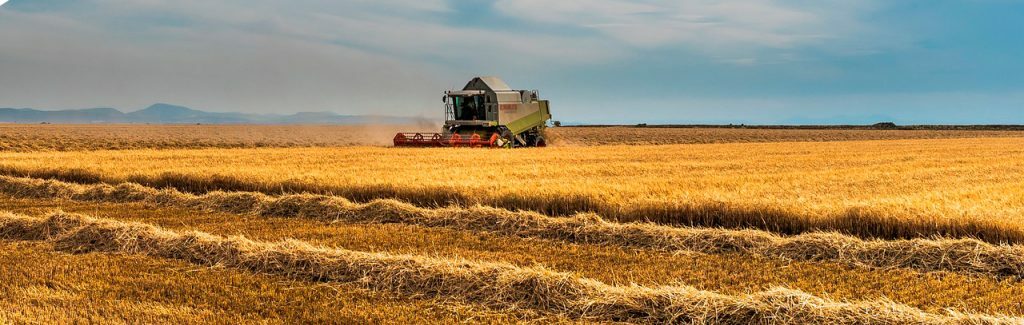
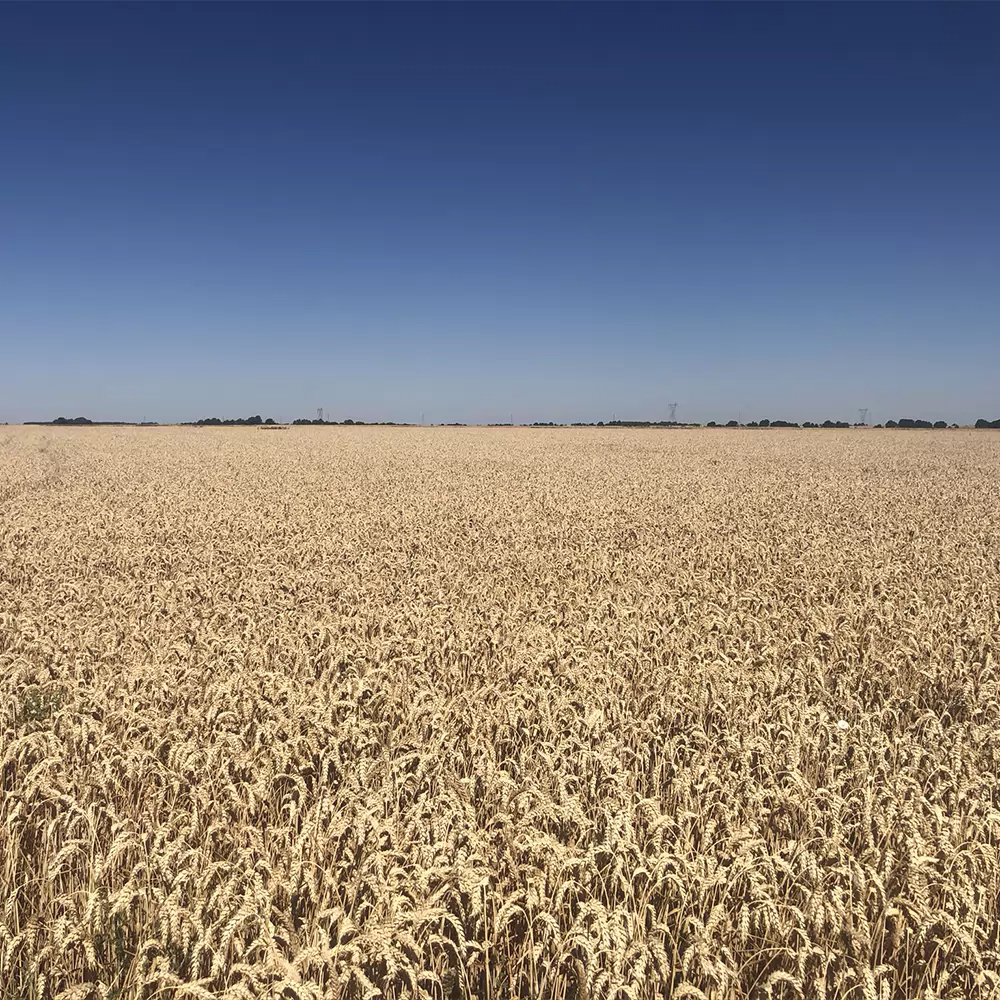
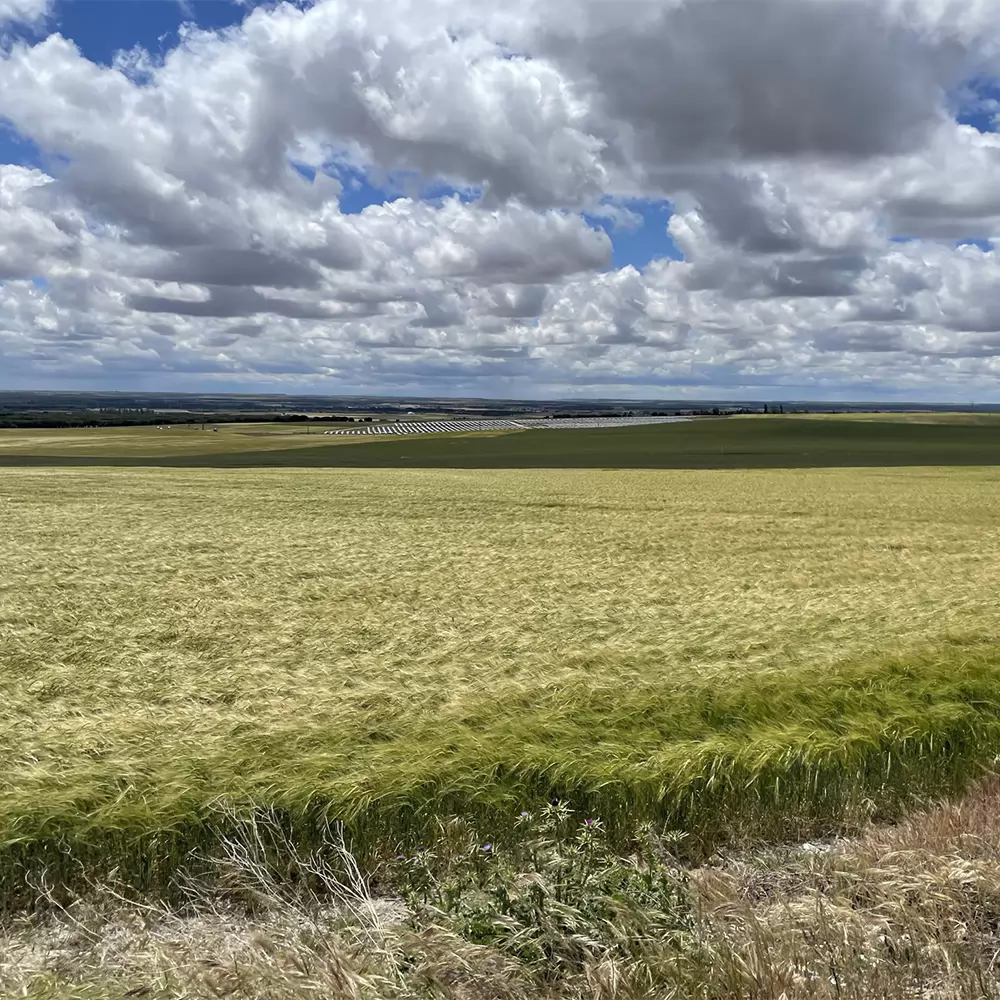
Our raw material comes from the fields of Castilla y León, and more specifically from the provinces of Valladolid and Palencia, cereal-growing areas of barley par excellence, which is the basis of our raw material in the manufacture.
With our treatment we obtain a quality product, granulated and easy to handle. Its nutritional value allows it to be included in feed for rabbits and ruminants with excellent results.
Its centesimal composition, widely contrasted, is as follows:
| DETERMINATION | VALUES | RULE / PROCEDURE |
|---|---|---|
| Humidity | 7,20 % - 9,50 % | PNTQ-21 |
| Crude Protein | 2,40 % - 4,50 % | PNTQ-23 |
| Fatty matter | 0,80 % - 2,00 % | PNTQ-20 |
| Crude fibre | 35,50 % - 40,10 % | PNTQ-19 |
| Ashes | 8,00 % - 10,50 % | PNTQ-17 |
| Calcium | Minimum 0,45% | PNTQ-15 |
| Total phosphorus | Maximum 0,08% | |
| U.F.L. | 50 % - 60 % | |
| U.F.C. | 52% - 58 % | |
| U.F. | 53 % - 58 % | |
| E.D. Rabbits | 650 - 750 | |
| F.A.D. | 45,9 % - 50,10 % | |
| F.N.D. | 66.3% - 70,5% | |
| SODIUM | 0,5 % -0,7 % | PNTQ-25 |
| NaOH | Maximum 1,6 % | Calculation |
| DETERMINATION | VALUES | RULE / PROCEDURE |
|---|---|---|
| Salmonella spp. | absence/25g | UNE-EN ISO 6579-1:2017 |
| Mould and yeast count at 25ºC. | <10 cfu/g | ISO 21527:2008 |
| Enterobacteriaceae count. | <20 cfu/g | ISO 21528-2:2017 |
| Coliform bacteria count. | <10 cfu/g | ISO 4832:2006 |
| Mesophilic Aerobic Count 30ºC. | <10 cfu/g | UNE-EN ISO 4833-1:2014 |
| Clostridium sulphitoreductores count. | <10 cfu/g | UNE-EN SIO 7937:2005 |
| Clostridium perfringens count. | <10 cfu/g | UNE-EN SIO 7937:2005 |
| E. coli β-glucuronidase positive. | <10 cfu/g | ISO 16649-2:2001 |
| Escherichia coli count. | <10 cfu/g | ISO 4832:2006 |
| Enterococci count tot. | <10 cfu/g | ISO 4832:2006 |
*These values are for information purposes only, since the sale
of the product does not depend on its composition.